THE PPRESIDIUM OF PERMANENT GRASSLANDS AND PASTURES — WHICH WE WILL EXPLORE IN THIS COLUMN — WAS ESTABLISHED TO SAFEGUARD THE ECOSYSTEMS AND BIODIVERSITY OF MOUNTAIN PASTURES AND LOWLAND MEADOWS: A PROJECT, THAT OF THE SLOW FOOD PRESIDIUM, WE HAVE FORMALLY SUPPORTED SINCE 2025
“Let’s save the permanent grasslands”!
A teeming, lush nature rich in biodiversity. A conscious and balanced encounter between man and nature, which translates into gentle gestures based on millennia of knowledge.
THE PRESIDIUM
The Presidium of Permanent Grasslands and Pastures was created to safeguard the biodiversity of high-altitude, hill and lowland meadows, and to increase their surface area. But also to promote grazing by ruminants and to support human activity in areas where natural resources are at risk. On the one hand, there are mountain areas that are being abandoned and, on the other, lowlands that are being swallowed up by monocultures and cemenThe project brings together virtuous farmers, shepherds and beekeepers, guardians of stable meadows, with the aim of promoting the products that keep these biodiverse environments alive.
THE DEFINITION
“Permanent grassland refers to a green that has not been ploughed or tilled, but has been left to grow naturally for at least 10 years. This definition includes meadows (managed by mowing), pastures (land covered with wild grasses grazed directly by livestock) and also grasslands where both practices (mowing and grazing) are carried out."
In short, a permanent grassland is a green where mowing or grazing of livestock, or both practices, are carried out. Mowed grassland is managed manually by humans to obtain hay, while grazing land is an area where animals feed on fresh grass.
VIRTUOUS REQUIREMENTS
Producers who are part of the Presidium comply with strict guidelines that reflect the philosophy of the project, such as: the grasses in the permanent grassland must be spontaneous or self-seeding (with the possibility of reseeding native grasses); meadows can be grazed or mowed; ploughing and weeding are prohibited; the cheeses must be made from raw milk; In cheese production, the use of selected industrial ferments, microbial rennet and any type of preservative, additive or colouring agent is not permitted.
2026: THE YEAR OF PASTURES AND SHEPHERDS
The FAO (Food and Agriculture Organisation of the United Nations) has designated 2026 as the International Year of Pastures and shepherds, a heritage that safeguards sustainable agri-food systems and biodiversity.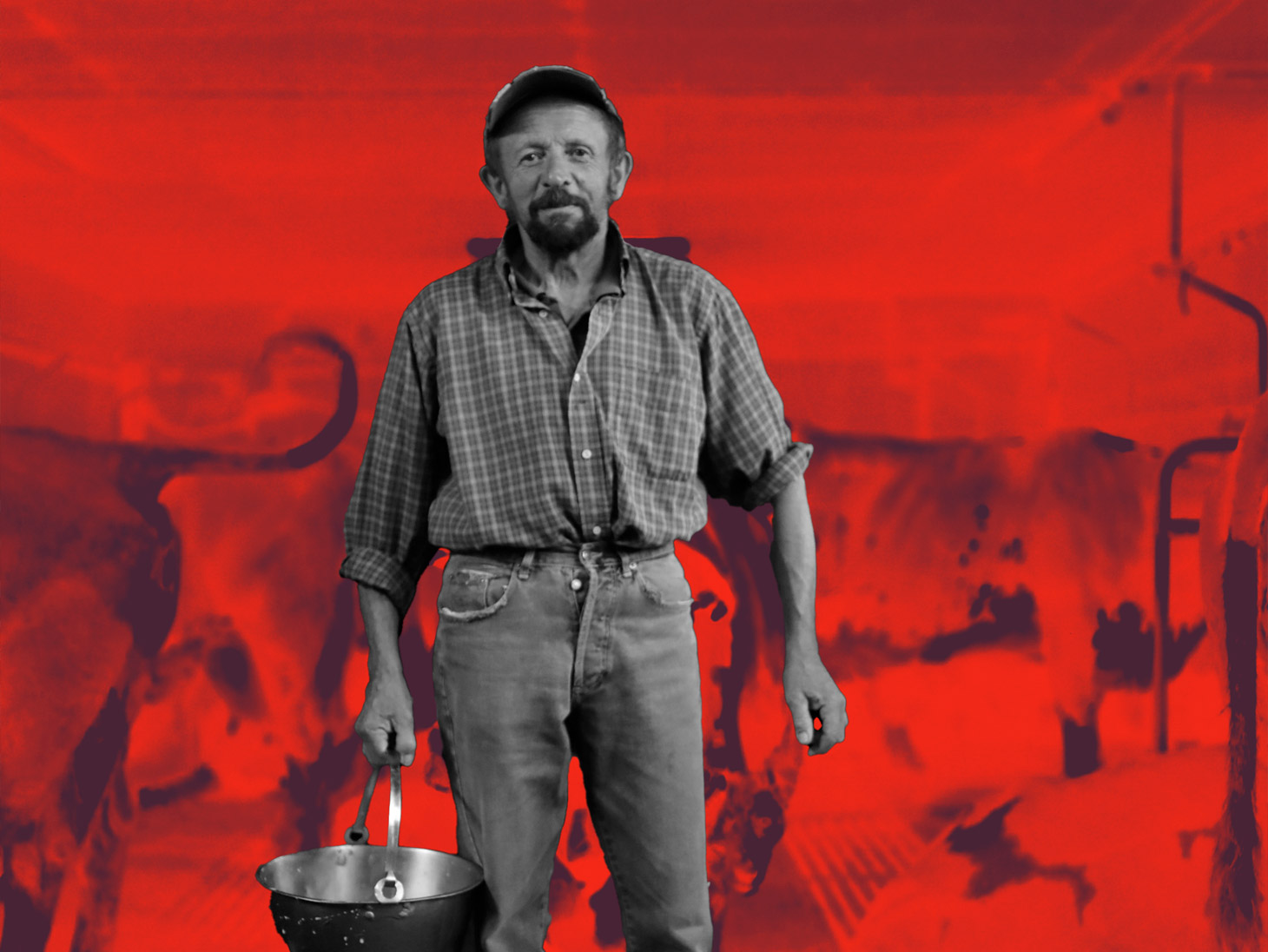
DONATO PETITJACQUES
A story of dedication. Sunrises, milking, cheesemaking and ageing, grazing and caring for animals. This is just a summary that define the vocation of Donato Petitjacques, a farmer and cheesemaker from the Aosta Valley. Every summer he practises vertical transhumance, moving from mountain pasture to another until he reaches the tsa (high, sunny pastures or stations higher than a mountain pasture, in the Aosta Valley patois dialect).
Donato's love for the land is also reflected in unique high-altitude practice: he gather stones into small piles, clearing the soil to allow more grass to grow for the following summer.
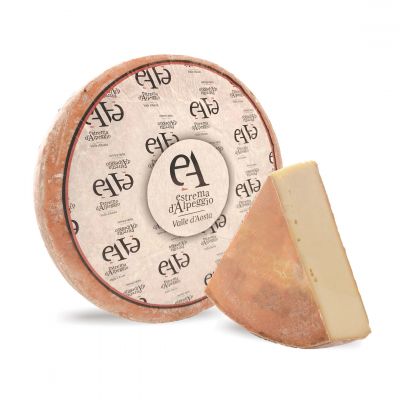
For four weeks a year, between mid-July and mid-August, Donato produces Estrema d'Alpeggio at 2,578 metres above sea level, in Pian Vauon, near the Swiss border. Here, around seventy Valdostane Pezzata Rossa or Pezzata Nera cows feed exclusively on fresh grass, flowers and stream water, giving life to a cheese that is truly extraordinary.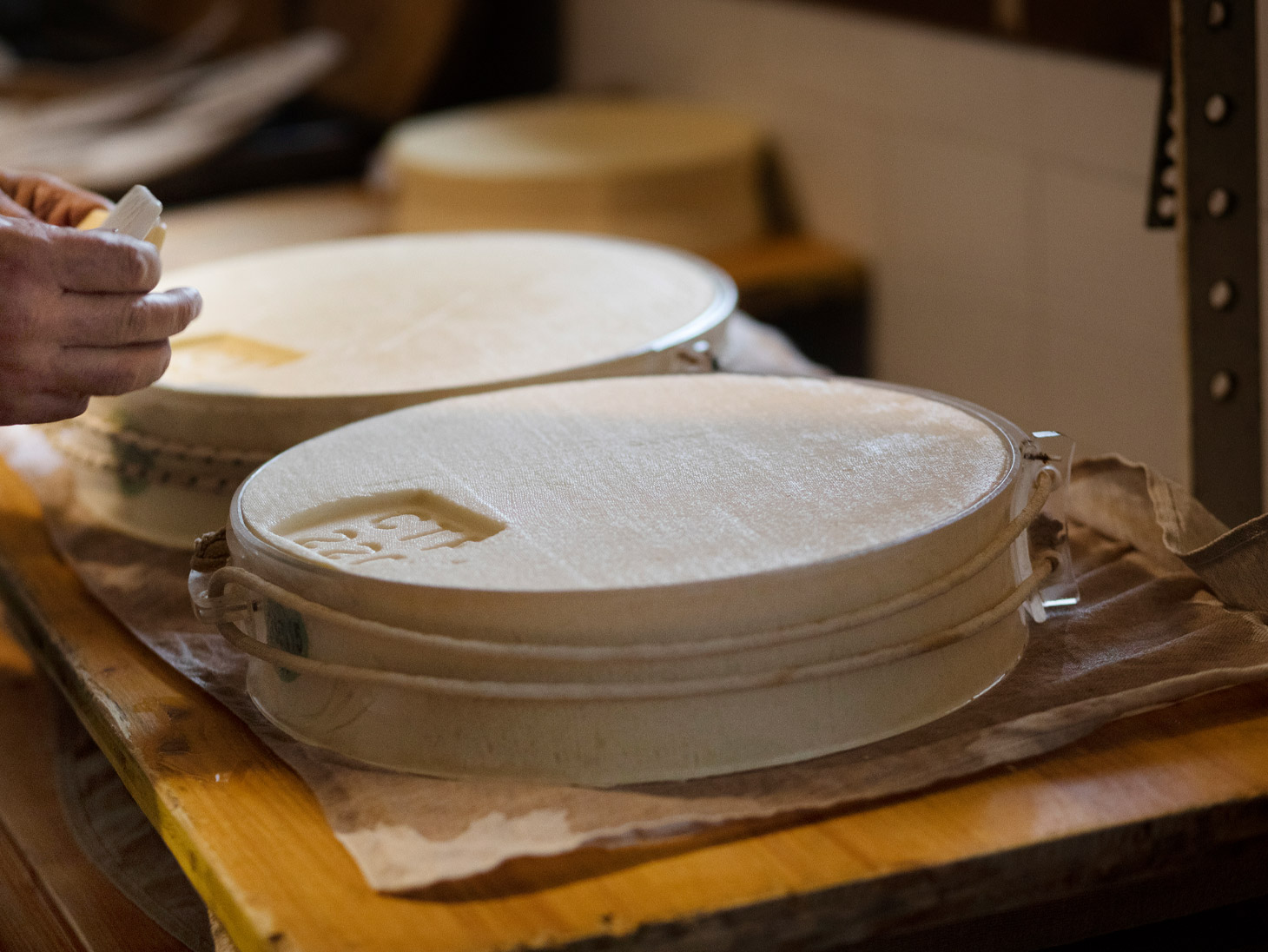
ESTREMA D'ALPEGGIO
PROCESSING ·The milk, collected twice a day, is heated over a wood fire and then rennet is added. The curd is first broken with a curd cutter and then with a bowl to obtain a homogeneous result. It is cooked at 46-48°C, left to rest and placed in moulds. The remaining milk from the same milking is processed as well; therefore, two production cycles are carried out every day. The wheels are pressed for 12 hours, salted and the rind is washed. Aging lasts about 120 days.
TASTE · Mild and melting in the mouth, with aromas of butter, pasture and smoke on the nose. The taste is enveloping, with notes of cooked butter, mountain herbs and cellar.
CURIOSITY · Every day, between 6 and 8 wheels are produced, for a total of 200 wheels during the 4 weeks spent in the mountain pastures - an extremely limited production.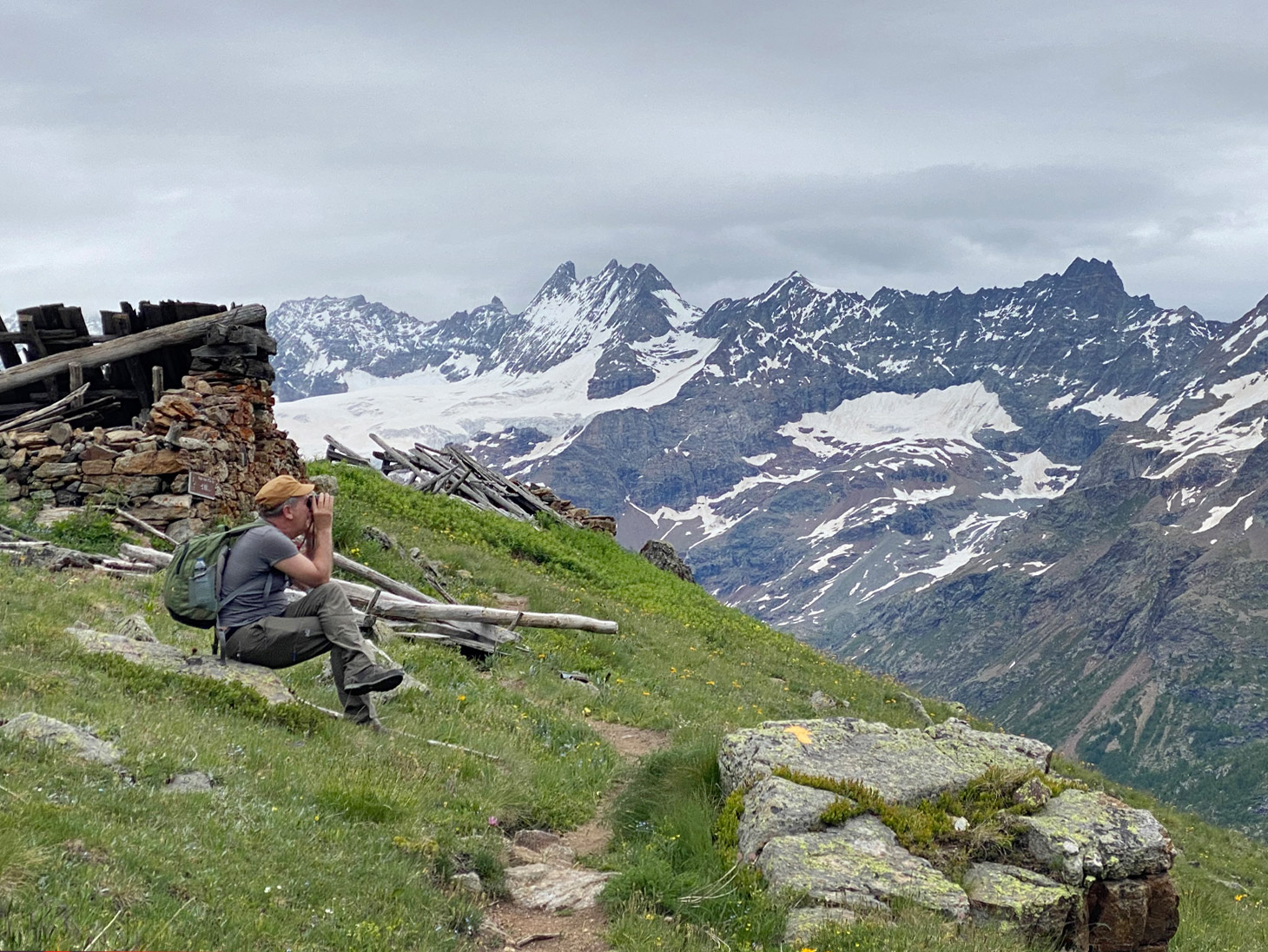
WHY IS IT A PRESIDIUM?
Among the members of the Italian Presidium of Permanent Grasslands and Pastures, Donato Petitjacques is the producer who climbs highest every summer. His tsa lies at over 2,500 metres: one of the highest in the Aosta Valley. Throughout his life, every summer, Donato has gathered his cows and set off for the mountains. Week after week he moves higher, following the grass to most remote and 'extreme' meadows, where the rarest and more flavourful herbs grow and biodiversity is at its peak. His commitment and the exceptional quality of the cheese produced in these alpine ecosystem, which Donato also manages from an environmental point of view, must be valued and supported.