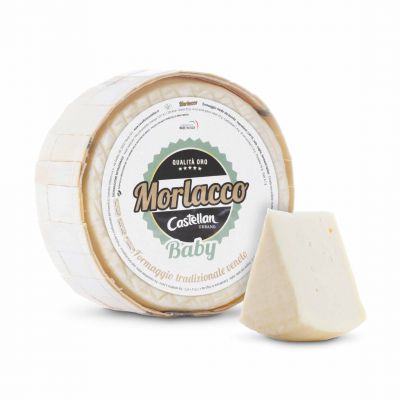
SIMPLE AND VERSATILE, NOW AVAILABLE IN A BABY VERSION: MORLACCO CHEESE IN ONE OF THE MUST-TRY CHEESES OF THE MOMENT
The interest in soft cheeses full of character has grown over the last three years, not only concerning small cheeses, but also bigger ones such as Taleggio, Stravacco and Morlacco. In line with this trend, we believe it is time to further expand our range, and we are doing so with a cheese from Caseificio Castellan: Morlacco Baby.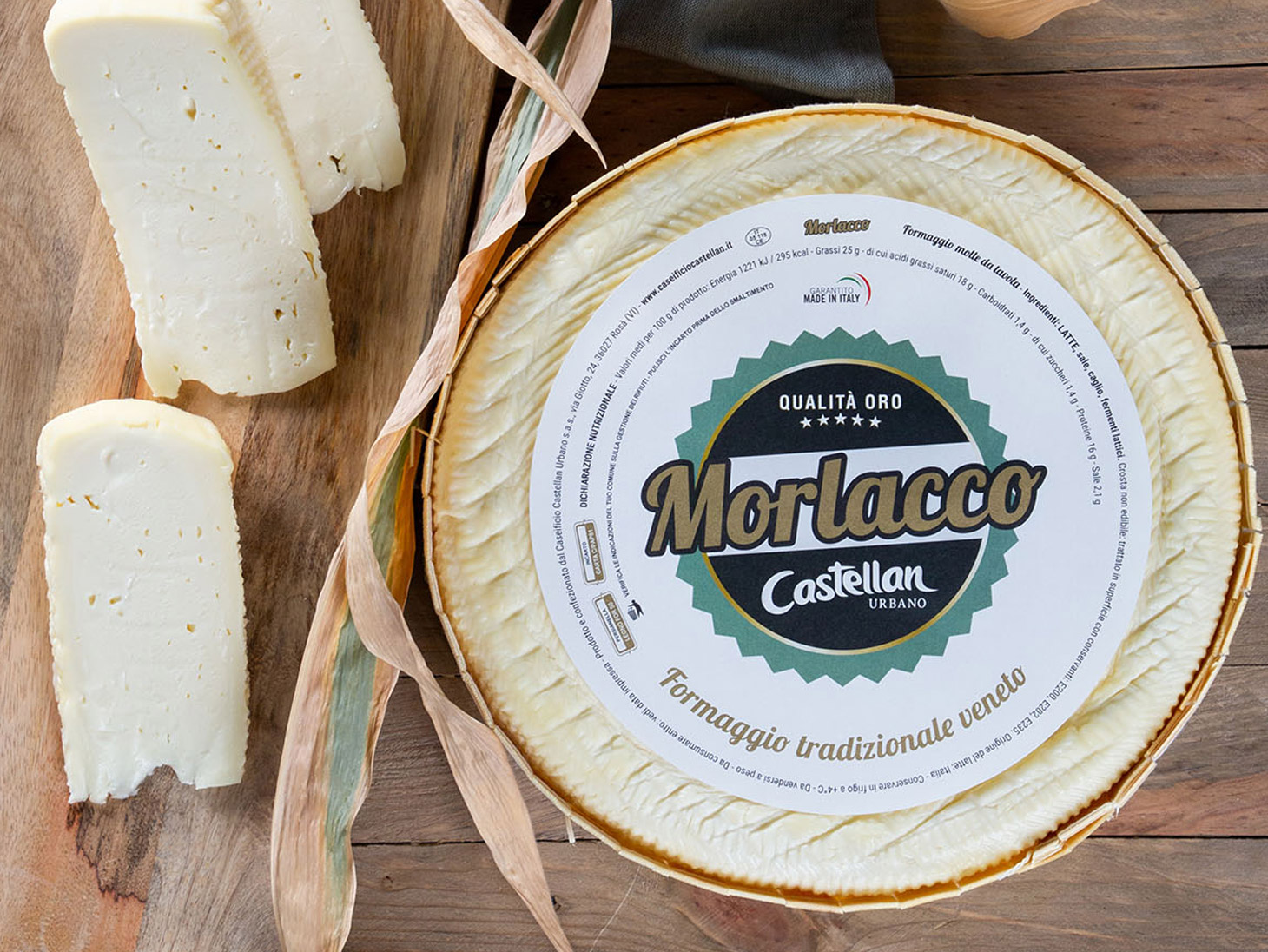
The producer, based in Rosà (VI), was founded in 1969 by Urbano Castellan and is now run by his daughters. Some time ago, the company began producing Morlacco Baby: the proximity to Monte Grappa and its strong cheese-making tradition has certainly played a significant role, along with the desire to expand the range of fresh cheeses (especially stracchino) and to embrace short- and medium-aged cheeses. 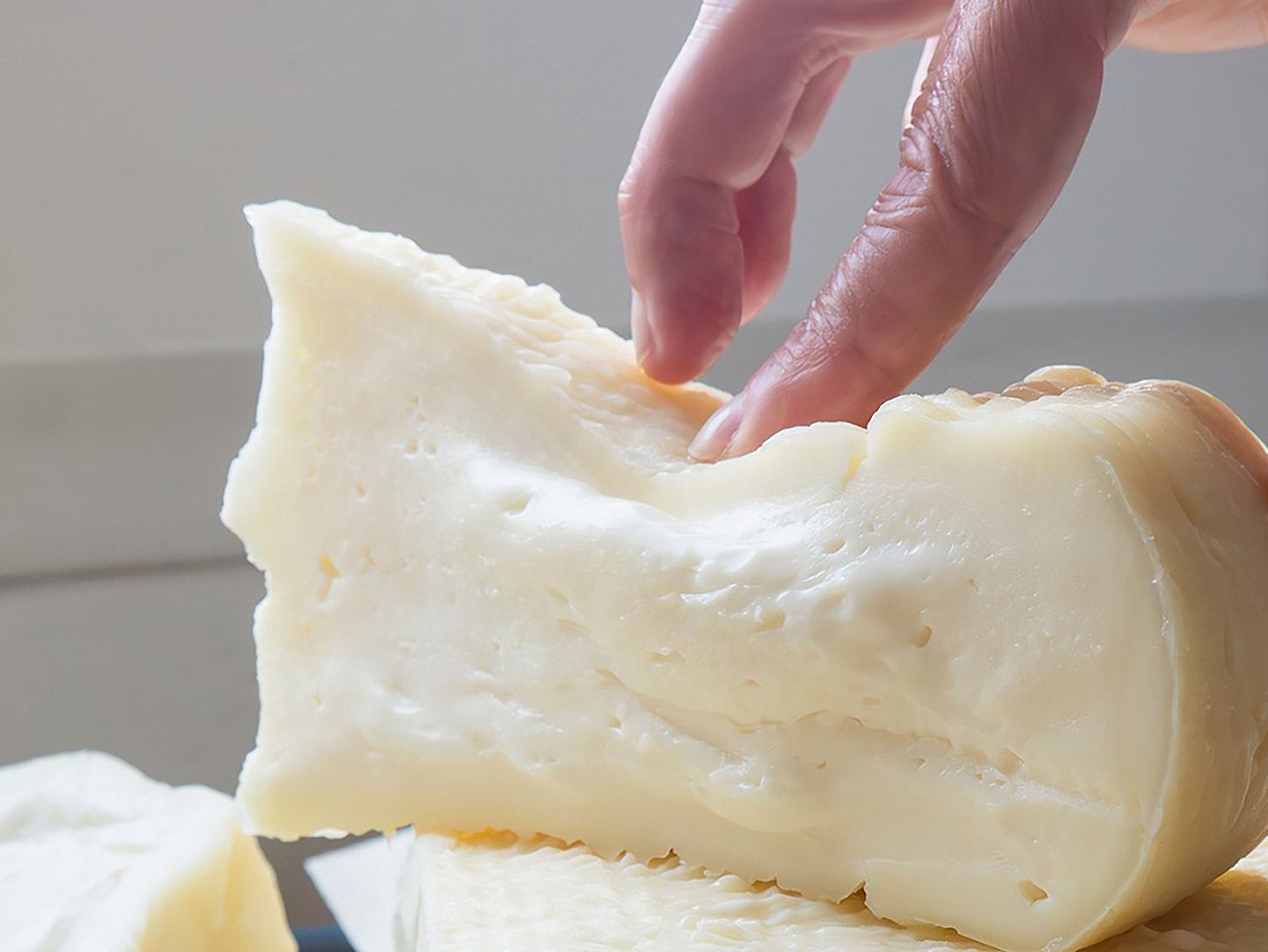
MORLACCO BABY
Pasteurized cow's milk cheese with raw paste, medium size, lightly rinded and treated with anti-mould on the rind. The sides are supported by a band of balsa wood slats. It is aged for around 15 days, at which stage it already begins to show signs of proteolysis. However, it is only with further ageing that the paste becomes creamy and melt-in-the-mouth, sweet and lactic. Definitely savoury, as per tradition, with slight hints of champignon mushroom and yeast.
Traditionally, Morlacco cheese weighs around 5-6 kg, but in this case, as the name suggests, the Castellan sisters have chosen a 3 kg format. This version is more suited to current needs and to the preference for smaller pieces, both in shops and restaurants. It is precisely in the latter channel that Morlacco becomes a versatile ingredient, to be tried in a risotto with mushrooms and crème fraîche, paired with Radicchio Rosso di Treviso, pumpkin or asparagus on a white pizza, or with sopressa in a finger food. Be sure to remove the thin rind before use: it is not edible as it is treated with anti-mould.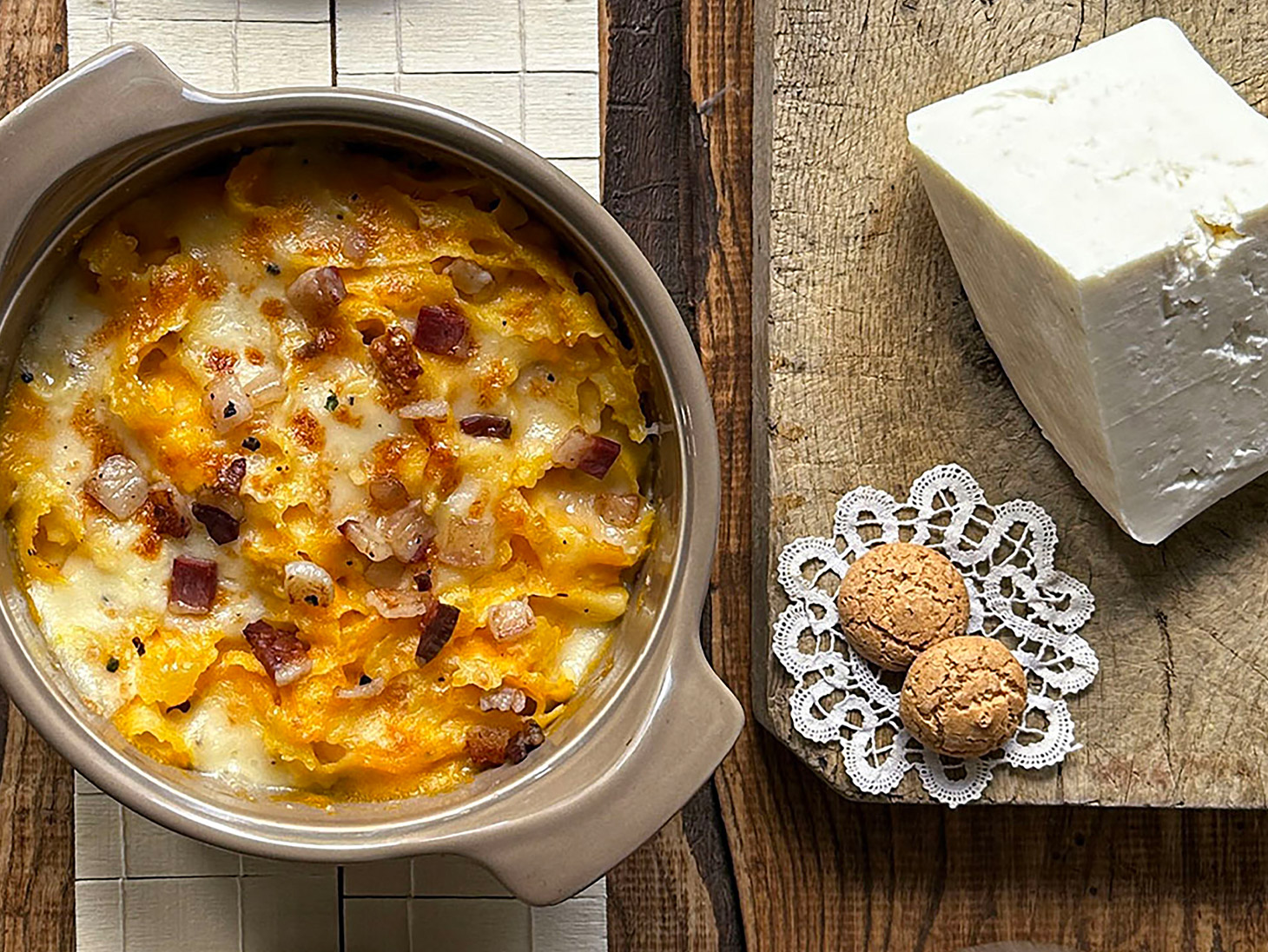
This cheese is therefore perfectly suited to today's cuisine, even though its origins (albeit poorly defined) seem to date back hundreds of years, when Venice played a strategic role in trade with the Istrian-Dalmatian peninsula and beyond.