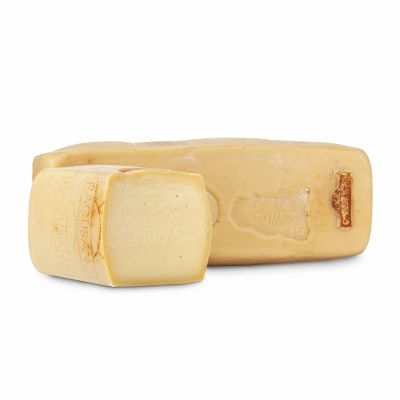
A 36-HOUR WHIRLWIND VISIT TO OBSERVE THE PRODUCTION OF RAGUSANO DOP CHEESE AND, ABOVE ALL, TO MEET OUR NEW SUPPLIER, ROSARIO TUMINO, OWNER OF THE FARM BEARING HIS NAME
The hamlet of Scalonazzo lies about twenty kilometres south-west of the town of Ragusa. There are just a few houses along the road leading towards the sea, and fields, arid pastures and dry-stone walls in the more inland countryside. And right in the middle of this countryside lies Azienda Agricola Tumino, which can be reached by following a dirt track flanked by two low walls and Brown Swiss cows grazing on either side.
I arrive early to see part of the production process, but before entering the domain of Saro, the cheesemaker, I try to take in my surroundings and soak up the terroir, which already gives me a foretaste of the cheese I am about to taste. The warm, soft light of early morning, the invigorating scent of the Mediterranean scrub, and the growing excitement at a new experience that is about to unfold. I step into the courtyard, enclosed on three sides by low buildings, and try to work out where the cheese dairy is; I know Saro is already hard at work. I decide to call out to him, and there he is, peering round a corner of the courtyard. We had been in touch several times in the months leading up to the visit, and it is lovely to finally meet in person! 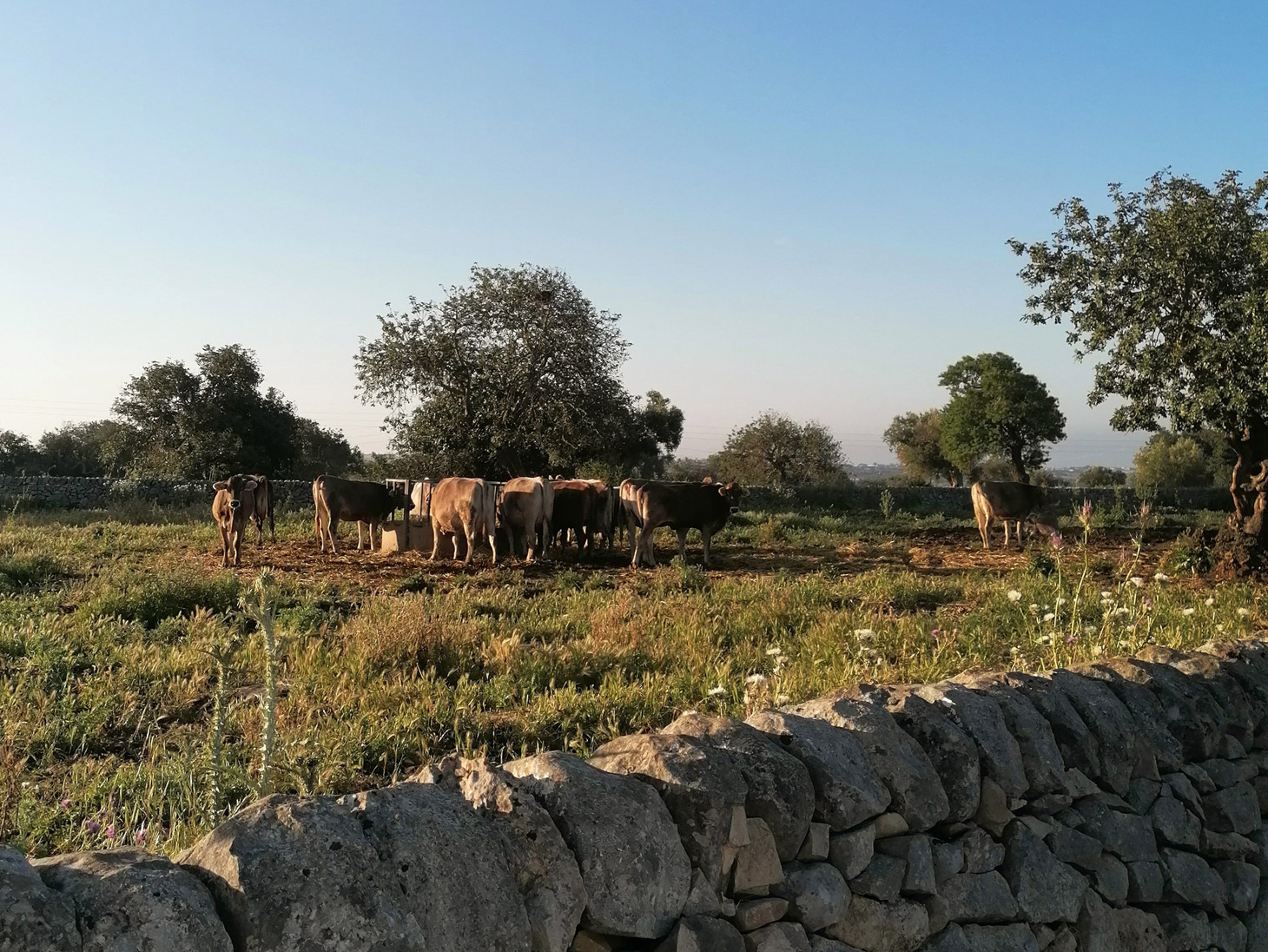
We quickly get into the swing of things; there is no time to waste, as production is already underway. We need to stretch the morning’s curd to make short-maturing provola, and to separate the tumazzu – that is, the other half of the curd – which will be left to mature for 24 hours and, the following day, after being stretched, will become Ragusano DOP.
From November to May, Saro produces two or three wheels of Ragusano a day, made exclusively from raw milk and only when the animals can graze on pasture, in accordance with the production regulations: hence the limited production window. The farm rejoined the DOP consortium’s producers just a year ago, after a pause.
Once the key stages of the day’s production are complete, Saro leaves the final tasks to his colleague Salvatore and his father, who is still a great help in the business. We then set off on a short walk to see the barn and the neighbouring pastures.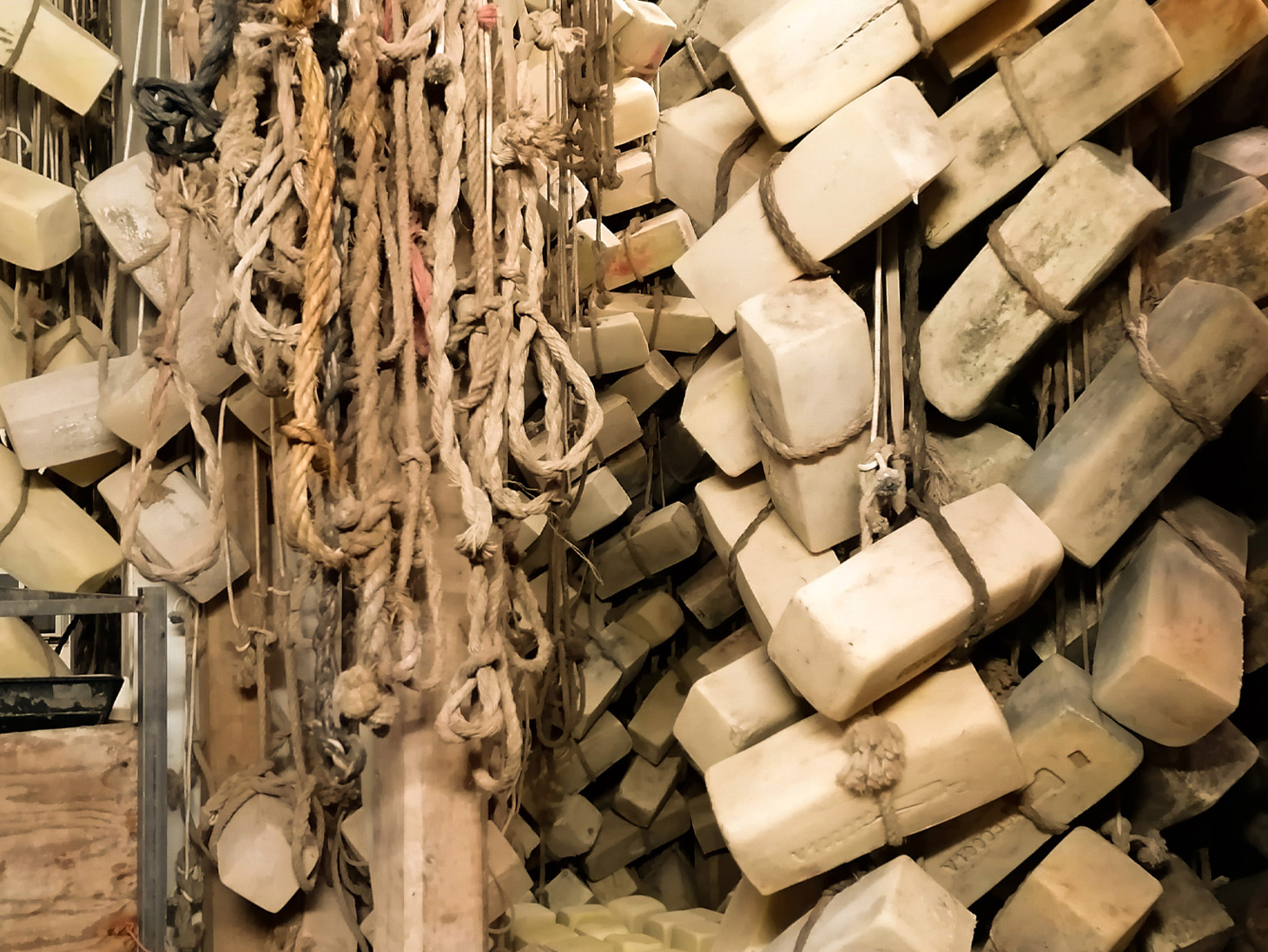
THE BRUNE CATTLE FARM
For over 20 years, the Tumino family has been rearing Italian Brown cows and are committed members of the DISOLABRUNA producers’ consortium, which, incidentally, was the organisation that introduced me to this producer at the Mondial du Fromage 2025. Until the 1990s, they reared Modicana cattle; however, a tuberculosis outbreak forced them to cull the entire herd. At that point, Saro’s father decided to start afresh with the Bruna breed, which provided a greater and better supply of milk for cheese-making.
There are now around 100 head in the barn, just over half of which are lactating. The average milk yield is excellent, at around 28 litres per day on an annual basis. The feed varies according to the season: natural pasture on the Iblean Plateau and arable land, supplemented with dry feed during the winter and spring months, and hay for the rest of the year, most of which is produced on the farm. A rotational grazing system is used to ensure a constant supply of fresh feed and to avoid over-stressing the land.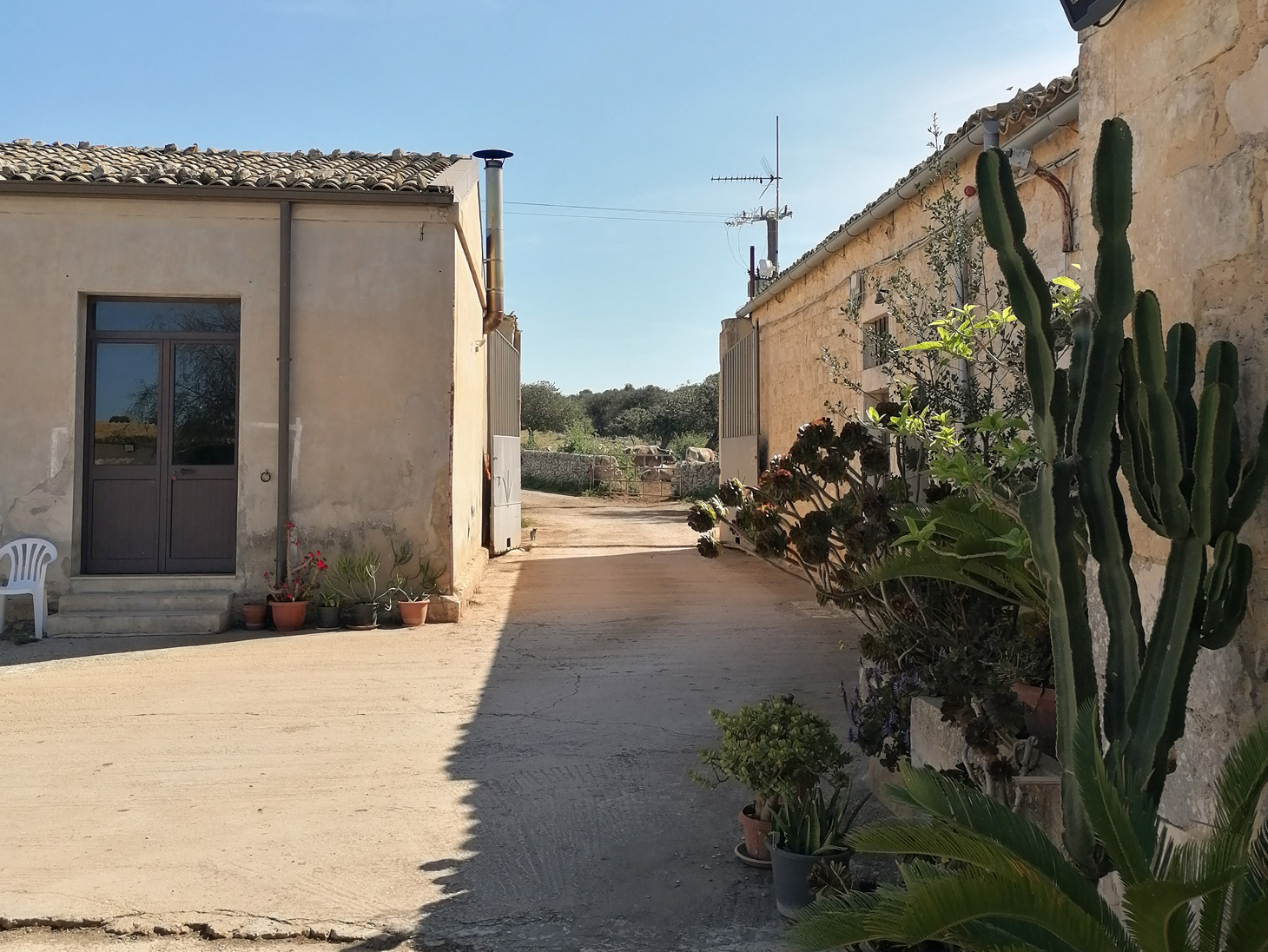
Every morning, the farm processes around 8 quintals of fresh milk, which is processed raw. The main product is Ragusano DOP pasta filata cheese, and here we will take a look at its highly distinctive production process.
RAGUSANO DOP: A LEGENDARY CHEESE
The milk is curdled in a wooden vat at a temperature of around 34°C using lamb rennet paste. The curd forms after about 60 minutes. It is then broken up into pieces the size of a lentil, and cooking begins immediately by adding hot water at 80°C. The curd compacts and reaches the size of a grain of rice.
After draining, the curd, known as ‘tuma’, is left to rest and mature for at least 20 hours on a draining table, known locally as a ‘tumazzu’. The following day, the ‘tume’ are cut into thick slices and placed once again in the wooden vat to begin the stretching process, which is carried out traditionally by adding hot water at 80–85°C and strictly by hand.
This is where the cheesemaker’s skill comes to the fore: at just the right moment, they manage to shape the stretched curd without any cracks or breaks, moulding it into wooden moulds known as ‘mastredde’, which give the cheese its characteristic rectangular shape.
After 24 hours of pressing – that is, two days after production begins – the wheels are removed from the moulds and placed in brine for around 15 days. From that point, the maturing process begins, lasting until the minimum of 90 days required by the production regulations for certification, although the cheese easily reaches 18–24 months.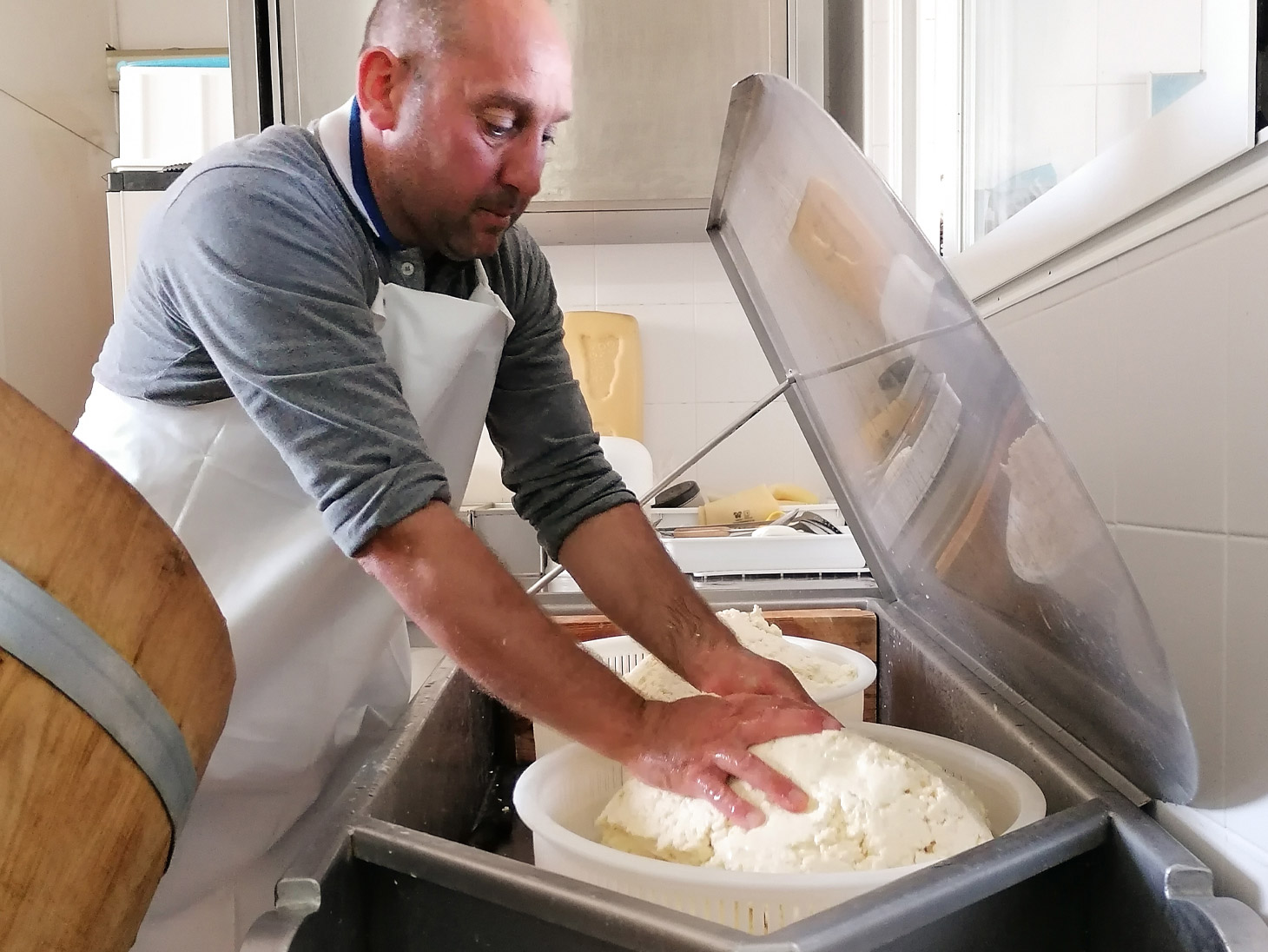
TASTING NOTES
Once production is complete, the long-awaited moment of tasting arrives. I enjoy a privilege that only those who visit a small Sicilian dairy can experience: eating warm ricotta with bread and whey. It is a real treat. It is well worth the trip. I sample two different ages of Ragusano.
The first of the season, freshly branded, is just 100 days old. Definitely young. Notes of cooked butter, hints of acacia honey and white flowers. The savoury flavour is barely perceptible. Saro tells me that in the Ragusa area, one should seek out sweetness, not savouriness or excessive intensity of flavour. This makes me think there is a misunderstanding to be cleared up in the market. This cheese has not yet reached its peak; I believe it will reach its organoleptic peak in a couple of months’ time. Then, I move to the other extreme and assess a 15-month-old winter DOP cheese. An intense sweetness at the heart of the wheel is balanced by savoury and spicy notes. Aromas of ripe white-fleshed fruit, exotic fruit, but also braised onion, umami and subtle animal undertones. A cheese for connoisseurs.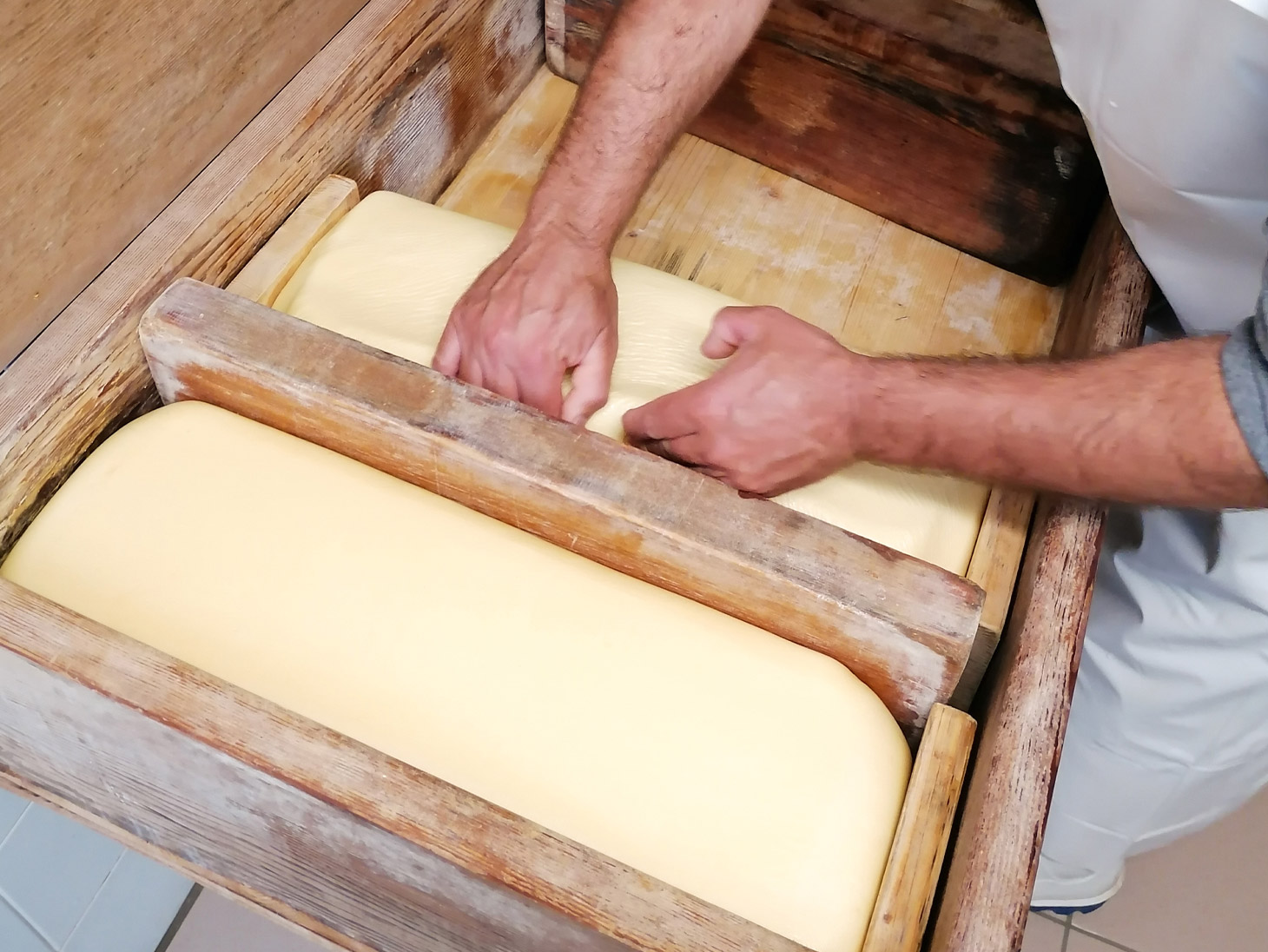
As I taste it, I think the maturation period is a little too long for our target market and that we should aim for a maximum of 12 months’ maturation. We have selected a semi-matured Ragusano, matured for 4–8 months, and a matured version aged between 8 and 12 months. As this cheese is not produced all year round, there will obviously be times when only one of the two selected maturities is available.
Once the tasting is over, we go to see the maturing process, where hundreds of pieces of Ragusano DOP and Cosacavaddu are hung in pairs with jute ropes for months, at around 13–14 °C. It feels more like being in a fishing village than in a cellar. Whilst Saro goes to get changed, I wait for him sitting in the courtyard, soaking up another couple of minutes of Sicily; the sights I have seen are still fresh in my mind.